

Basant 2027 in Lahore: Dates, kite rules and registration details revealed
Three days of colour, music and cultural celebrations are planned across the Pakistani city
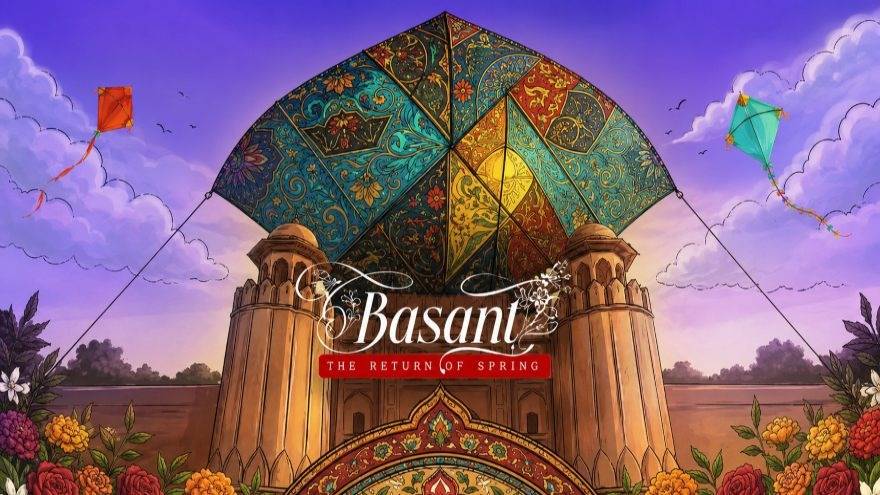
LAHORE – Basant 2027 in Lahore, Pakistan is set to bring the city’s famous spring celebrations back to rooftops and streets from March 12 to 14.
Punjab Chief Minister Maryam Nawaz has announced the three-day festival following the successful revival of Basant in Lahore earlier this year, when the traditional kite-flying celebration returned after an 18-year ban. Preparations for the next edition are already under way, with the Lahore district administration announcing registration for the manufacture of kite-flying materials from September 5.
The 2027 celebrations are expected to combine traditional kite flying with music, cultural activities and other entertainment, while authorities are once again placing strict safety controls at the centre of the event. The administration has said only approved manufacturers will be permitted to produce kite-flying materials, with teams tasked with monitoring production and ensuring that the prescribed standards are followed.
Basant Festival
Last month, Maryam Nawaz announced that Basant Lahore 2027 would be held on March 12, 13 and 14. She said Lahore would once again come alive with colour, culture, festivity, music, energy and its traditional hospitality.
???????? BIG ANNOUNCEMENT FOR PAKISTAN & THE WORLD! ????????
— Maryam Nawaz Sharif (@MaryamNSharif) August 18, 2026
After successful Basant 2026, I am proud and happy to announce Basant Lahore 2027! ????❤️
???? 12, 13 & 14 March 2027
Lahore will once again come alive with color, culture, festivity, music, energy and legendary hospitality. ????????… pic.twitter.com/Tx7WGGeEKs
Addressing young people across Punjab and Pakistan, the chief minister invited them to take part in the celebrations and create memories during the three-day event. She also called on overseas Pakistanis and international visitors to mark their calendars and travel to Lahore for the festival.
The announcement follows Basant’s return to Lahore in February 2026, when the provincial government allowed the celebration under a tightly regulated framework. The 2026 festival was held from February 6 to 8 and marked the first official Basant celebration in the city since the ban imposed in 2007. This event is a centuries-old tradition associated with spring, vibrant colours and kite flying.
The ban had followed years of safety concerns, particularly deaths and serious injuries linked to dangerous kite strings. Motorcyclists and pillion riders were among those at risk, while celebratory gunfire also contributed to the authorities’ decision to prohibit the festival. The government subsequently created a regulated framework for its return.
Kite registration
With Basant 2027 months away, the Lahore administration has now moved towards ensuring adequate supplies of permitted kites and string.
Deputy Commissioner Lahore Captain (retd) Muhammad Ali Ejaz announced that registration for the manufacture of Basant materials will begin on September 5. Permission will be mandatory for manufacturing kite-flying materials anywhere in Lahore, and only people issued the required NOC will be allowed to produce them.
District administration teams will closely monitor approved manufacturing facilities. According to the announcement, manufacturers will have to follow the permitted specifications, while only approved kite sizes, pinna and cotton string will be allowed.
The early start to the licensing process is also aimed at avoiding supply problems before the festival. Kite-flyers’ representatives have said manufacturers need several months to produce sufficient stocks for a major celebration, making early approvals important for ensuring that permitted kites and string are available when Basant arrives.
Punjab’s regulated system already provides for registration of businesses involved in Basant activities, including manufacturers, sellers and traders. The provincial government’s Basant framework requires businesses dealing in kites, strings and related materials to register, with manufacturing subject to prescribed material and safety requirements.
Safety rules
The authorities are expected to maintain the strict safety approach introduced with Basant’s revival. Under the rules announced for the 2027 event, kite flying will be permitted only from secure rooftops with boundary walls measuring at least three-and-a-half feet.
Children will not be allowed close to rooftop edges without adult supervision, while running, jumping or hanging over edges has been prohibited. Overcrowding is also barred, with the number of people allowed on a rooftop limited according to its safe load-bearing capacity.
Motorcycles are also required to have safety antennas during the festival period. Premises owners, managers and organisers of kite-flying events will be responsible for ensuring compliance with safety requirements, while district administration, police and other relevant departments can inspect locations being used for permitted kite flying.
Restrictions extend beyond rooftops and kite materials. Loud music, DJs and high-decibel sound systems have been prohibited under the announced rules, alongside conduct that causes nuisance, harassment, obscenity, indecent behaviour or disturbance to neighbours and the public.
People standing near rooftop edges are also prohibited from using mobile phones or engaging in activities that could distract them. Authorities have stressed that the rules are designed to allow the traditional festival to continue while reducing the risks that led to its long-running prohibition.
The scale of the 2026 revival demonstrated the public interest surrounding the event. Punjab authorities said millions of people used special transport arrangements during the celebrations, while around one million vehicles entered Lahore. The government also deployed extensive emergency and public-service arrangements, including mobile clinics and field hospitals.